
Introduction
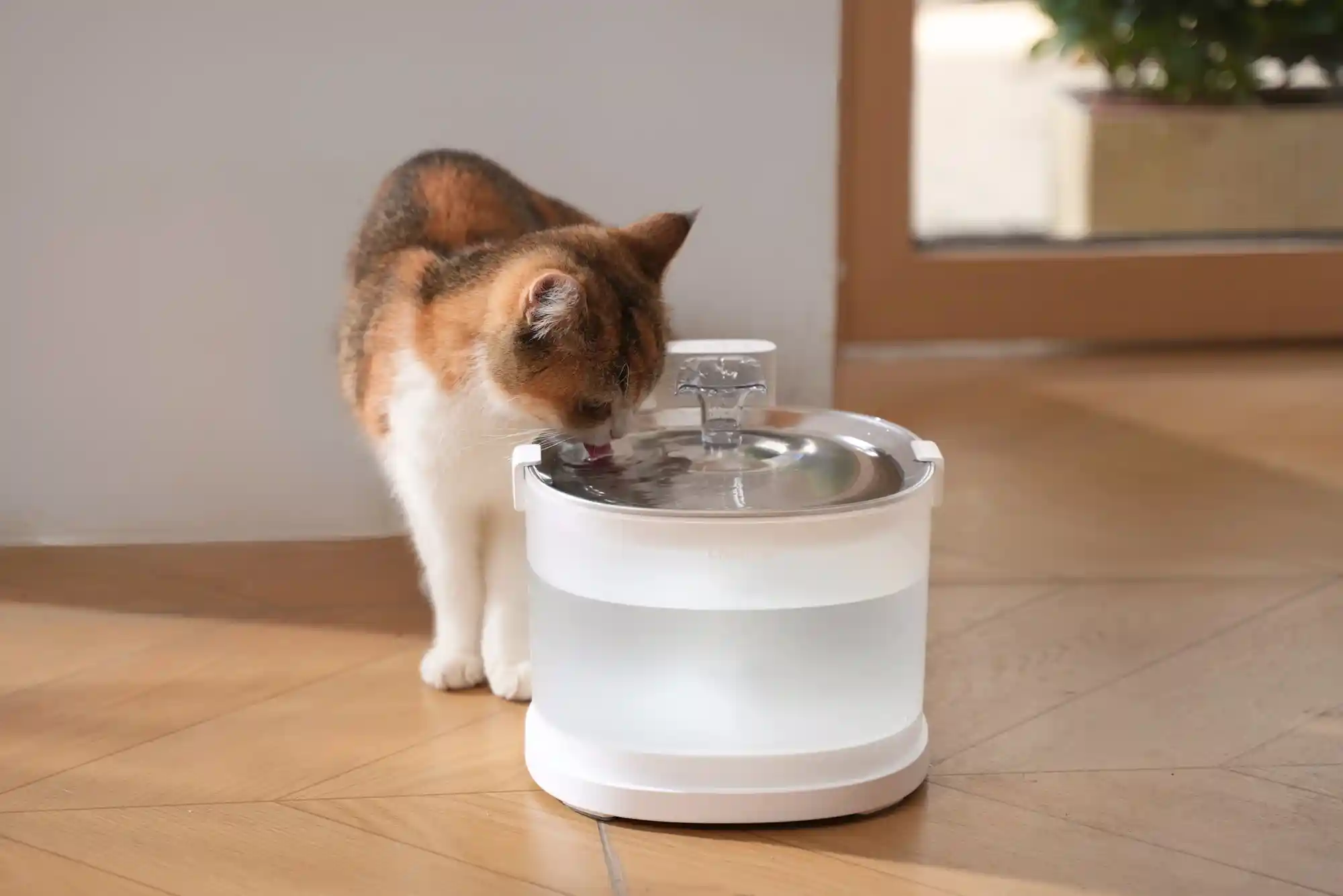
Cats are notoriously picky drinkers. Many felines prefer moving water from a dripping faucet over a stagnant bowl. However, keeping your cat properly hydrated is only half the battle. Many cat owners struggle with dirty water bowls that harbor bacteria. This bacteria often leads to an unsightly and uncomfortable condition known as feline chin acne. Fortunately, upgrading to the Best Stainless Steel Cat Water Fountains to Prevent Feline Chin Acne and Dehydration can solve both problems at once. Plastic pet fountains easily scratch and trap oils, dirt, and bacteria. These microscopic traps directly cause blackheads and infections on your cat sensitive chin. Stainless steel, on the other hand, is non-porous, highly durable, and remarkably easy to sanitize. In this comprehensive guide, we will explore why stainless steel matters, review top models on the market, and help you choose the ideal fountain for your furry companion.
Understanding Feline Chin Acne and Its Hidden Causes
Feline chin acne is a common skin disorder in cats. It manifests as dark, dirt-like blackheads or swollen bumps on your cat lower jaw. While it looks alarming, understanding the root cause helps you prevent it effectively. The primary culprit is bacterial buildup on surfaces where your cat eats and drinks. Plastic bowls develop tiny microscopic scratches over time through normal use and washing. These tiny crevices become safe havens for food particles, saliva, and stubborn bacteria. When your cat dips their chin into the bowl to drink, these bacteria transfer directly to their skin. Plastic also leaches chemical compounds that can trigger allergic reactions in sensitive felines. Switching away from plastic is the single most effective step you can take. Upgrading to a quality fountain eliminates the porous surfaces where bacteria thrive. Clean, circulating water combined with a hygienic basin keeps your cat chin completely clear.
Why Stainless Steel Fountains Outperform Plastic and Ceramic
When shopping for a pet water fountain, material choice makes all the difference. Plastic bowls are cheap and widely available, but they pose serious health risks. Ceramic fountains look beautiful and stylish in modern kitchens, but they are heavy and prone to chipping. Chipped ceramic glaze exposes porous clay underneath, which quickly absorbs bacteria and mold. Stainless steel represents the gold standard for pet hydration accessories. It is naturally resistant to rust, corrosion, and bacterial colonization. Because the surface is completely smooth, oils and slime cannot cling to it. You can easily pop stainless steel components into the dishwasher for deep sanitization. Furthermore, stainless steel does not absorb unpleasant odors or flavors over time. Your cat will notice the difference immediately in the crisp taste of their water. Investing in a durable metal fountain saves you money because you will not need frequent replacements.
Key Features to Look For in a Cat Water Fountain
Choosing the right fountain requires looking beyond just the exterior material. You must evaluate how the fountain functions on a daily basis. First, consider the pump mechanism and overall noise level. A loud, humming motor will scare timid cats away from drinking. Look for ultra-quiet submersible pumps that operate silently in the background. Second, filtration quality is vital for removing impurities, hair, and heavy metals. Multi-stage carbon and ion-exchange filters keep the water fresh and appealing. Third, ease of cleaning should be a top priority for busy pet parents. Fountains with complex nooks and crannies become tedious to scrub every week. Select a design with smooth contours and dishwasher-safe parts. Finally, consider water capacity and visibility. A transparent water level window lets you check the volume at a glance without dismantling the unit.
Top Picks for Stainless Steel Cat Water Fountains
The market offers several exceptional models designed with feline health in mind. One popular option features an all-metal top bowl with an ultra-quiet flow. This design mimics a natural stream, which entices cats to drink more frequently throughout the day. Another remarkable choice includes aquaduct spouts that allow multiple drinking heights. This versatility benefits households with both playful kittens and older senior cats. Some advanced models even feature smart LED indicators that flash red when water levels run low. These safety shut-off features protect the pump from burning out if the basin empties completely. When evaluating these options, always check customer reviews for real-world durability insights. Look for models backed by reputable brands offering accessible replacement filters and customer support. Making an informed choice ensures your cat enjoys fresh, acne-free hydration for years to come.
Encouraging Optimal Hydration Habits in Cats
Cats have a notoriously low thirst drive due to their desert-dwelling evolutionary history. In the wild, they obtain most of their moisture from their prey. Domestic cats eating dry kibble often suffer from chronic, low-level dehydration. This lack of water frequently leads to severe urinary tract infections and kidney disease. Moving water triggers a cat natural predatory instinct to investigate and drink. Placing multiple fountains around your home encourages them to stop by for frequent sips. Location also plays a massive role in how much water your cat consumes daily. Keep fountains away from their litter boxes and loud appliances like washing machines. Cats prefer a quiet, calm environment where they feel safe while vulnerable. Adding fresh ice cubes on hot summer days can make the flowing water even more enticing. Monitoring their daily intake helps you catch potential health changes early.

Proper Cleaning and Maintenance Protocols
Even the best stainless steel fountain requires regular cleaning to maintain hygiene. Skipping routine maintenance allows biofilm and slime to accumulate inside the pump. You should completely disassemble and wash your cat fountain every single week. Start by unplugging the unit and emptying all the residual stagnant water. Remove the pump and gently clean the impeller chamber using a small brush. Scrub the stainless steel basin with pet-safe dish soap and warm water. Rinse all components thoroughly to ensure no chemical soap residue remains behind. Replace the carbon filter according to the manufacturer guidelines, usually every two to four weeks. Regular upkeep prevents pump blockages and ensures your cat water stays crystal clear. A clean fountain protects your cat from both dehydration and painful chin acne flare-ups.
Many veterinarians strongly endorse stainless steel over plastic for allergy-prone felines. Skin sensitivities can develop over years of exposure to low-grade materials. Upgrading your setup provides immediate relief and prevents future veterinary bills. Your cat deserves the cleanest water possible served in a hygienic container.
Frequently Asked Questions
Can stainless steel fountains really prevent cat acne?
Yes, stainless steel is non-porous and resists bacterial accumulation. Plastic bowls trap oils and bacteria in microscopic scratches, causing acne. Metal surfaces keep bacteria away when cleaned regularly.
How often should I clean my cat water fountain?
You should thoroughly clean the fountain and replace the water every week. The carbon filter typically needs replacement every two to four weeks depending on use.
Do stainless steel fountains make noise?
Most modern stainless steel fountains use quiet submersible pumps. You might hear a gentle trickling sound of water, but the motor itself remains virtually silent.
Why is my cat afraid of the new water fountain?
Cats are cautious creatures that dislike sudden changes in their environment. Introduce the fountain slowly by leaving it unplugged next to their old bowl for a few days.
Conclusion
Providing clean water is one of the most important responsibilities of a pet owner. Transitioning to a high-end metal system protects your cat delicate skin and internal organs. The Best Stainless Steel Cat Water Fountains to Prevent Feline Chin Acne and Dehydration offer unmatched durability and safety. By eliminating plastic bowls, you remove the primary catalyst for stubborn feline acne. Meanwhile, the alluring stream of moving water combats chronic dehydration effectively. Evaluate your cat specific drinking preferences and choose a reliable model today. Take action now to safeguard your beloved feline health and happiness. Visit our recommended pet care store to find the perfect stainless steel fountain for your home.