
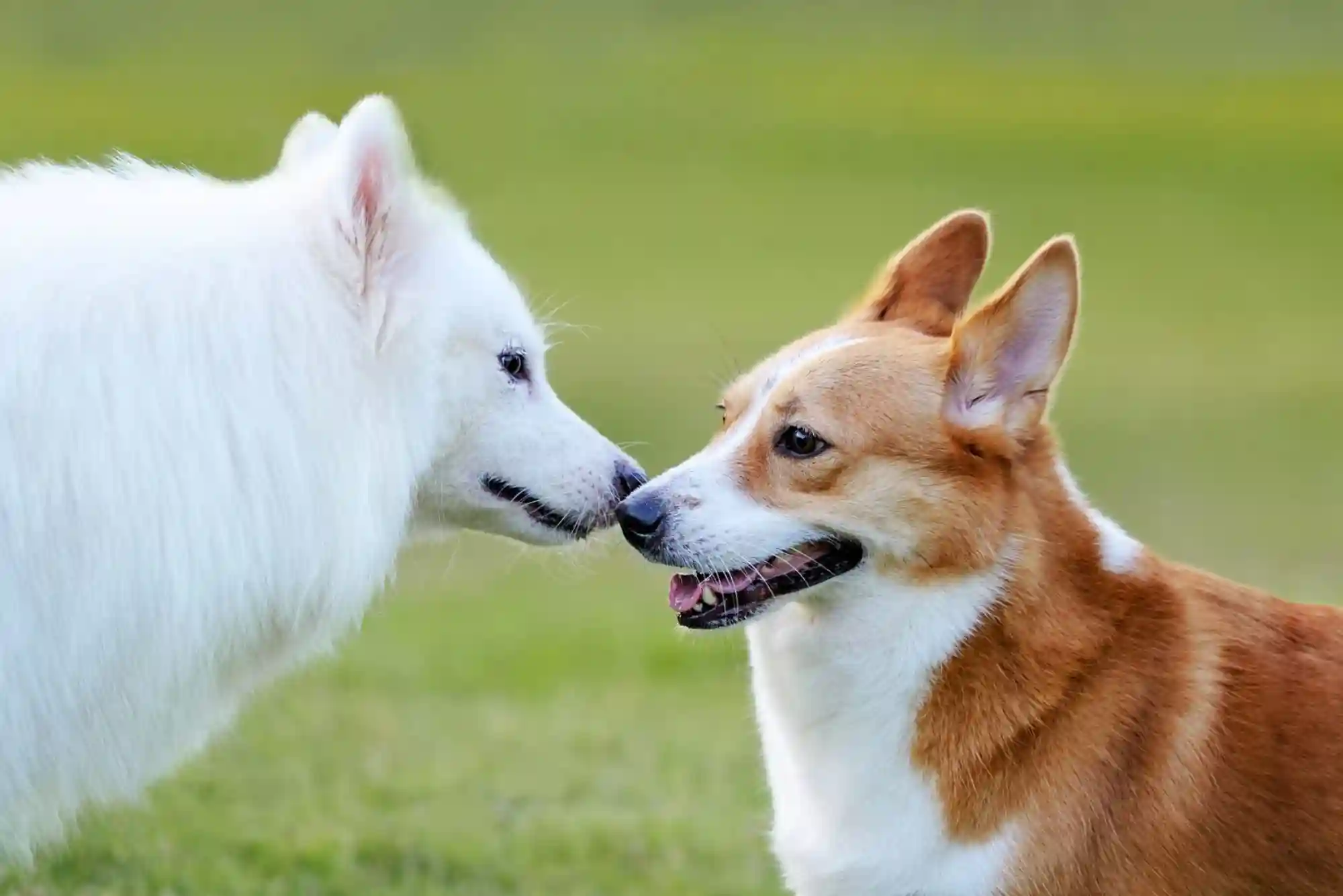
Introduction
Learning how to introduce two adult dogs on neutral territory without fighting requires patience, planning, and careful attention to body language. Adult dogs may have established routines, preferences, fears, and social boundaries. Therefore, a rushed introduction can create unnecessary tension.
The goal is not to make two dogs become best friends immediately. Instead, the first meeting should help both dogs feel safe and relaxed. A calm introduction gives them time to observe each other without pressure.
According to the American Kennel Club, meeting outside the resident dog’s home can reduce territorial pressure. A structured walk also gives both dogs something neutral to focus on.
When you understand how to introduce two adult dogs on neutral territory without fighting, you can make the process much more predictable. The right location, distance, leash handling, and timing all matter.
Why Neutral Territory Matters for Adult Dogs
A dog’s home can feel like protected territory. Food bowls, toys, beds, people, and resting areas can become valuable resources. An unfamiliar dog entering that environment may therefore create tension.
Neutral territory removes much of that pressure. Neither dog should feel responsible for defending the location. A quiet walking route or unfamiliar outdoor space can work well.

However, a crowded dog park is usually not the best choice for a first meeting. Too many dogs, sounds, and movements can increase excitement.
When considering how to introduce two adult dogs on neutral territory without fighting, choose somewhere spacious and relatively quiet. Both handlers should have enough room to increase distance if needed.
Prepare Before the Dogs Meet
Preparation begins before the dogs see one another. Ideally, use two handlers, with one responsible adult for each dog. This makes distance management much easier.
Both dogs should wear secure collars or well-fitted harnesses. Use standard leashes that provide control without restricting normal movement.
Avoid retractable leashes during the first meeting. They can make distance difficult to manage and may create tangles.
It is also useful to give each dog a calm walk beforehand. The goal is to reduce excess energy without exhausting the animal.
Avoid meeting immediately after a stressful event. A dog that is already highly aroused may have less ability to respond calmly.
Bring small, high-value treats if both dogs can comfortably eat around other dogs. Reward calm behavior rather than forcing interaction. Positive associations can make future meetings easier.
Start With Plenty of Distance
One of the most important principles in how to introduce two adult dogs on neutral territory without fighting is distance.
Do not walk the dogs directly toward each other. Instead, begin far enough apart that both dogs can notice each other without becoming overwhelmed.
For example, one handler can walk several yards ahead while the second handler follows. Both dogs move in the same direction while remaining separated.
This is often called a parallel walk. It allows the dogs to observe each other without the pressure of a direct greeting.
PetMD describes parallel walking as a useful starting method because it allows dogs to gradually become comfortable in each other’s presence.
Watch each dog’s body rather than focusing only on the tail. A relaxed dog may have loose muscles, normal movement, and frequent attention toward the handler.
A tense dog may stare intensely, freeze, stiffen, raise its hackles, or repeatedly pull toward the other dog. Barking or growling can also indicate discomfort.
If tension increases, create more distance. Do not force the dogs to continue approaching.
Gradually Reduce the Distance
Once both dogs remain calm, slowly reduce the distance between them. Move gradually rather than making one sudden approach.
Continue walking in the same direction. This creates a shared activity instead of forcing a social confrontation.
If either dog becomes tense, increase the distance again. There is no benefit in rushing this stage.
A successful introduction is not measured by how quickly the dogs touch noses. It is measured by how comfortably they can remain near each other.
This is an important part of how to introduce two adult dogs on neutral territory without fighting. Calm behavior should determine the pace.
Allow a Short Sniffing Interaction
When both dogs appear relaxed, allow a brief greeting. Keep the leashes controlled but avoid unnecessarily tight pressure.
Let the dogs approach naturally rather than pulling them directly together. A short sniff can provide enough information for the first interaction.
You do not need to let the greeting continue for several minutes. After a brief interaction, calmly separate the dogs and continue walking.
This break can prevent excitement from building too quickly. Several short interactions may be more comfortable than one prolonged encounter.
Do not expect immediate play. Some adult dogs may simply investigate each other and then continue walking.
That is perfectly acceptable. A peaceful interaction is a meaningful success.
Learn the Body Language of Both Dogs
Understanding body language is essential when learning how to introduce two adult dogs on neutral territory without fighting.
Look for loose, flexible movement. Soft eyes, relaxed posture, normal sniffing, and the ability to disengage are generally encouraging signs.
Also watch for subtle changes. A dog that suddenly becomes still may be uncomfortable. A fixed stare can also indicate rising tension.
Raised hackles do not automatically mean aggression. They indicate increased arousal and should be interpreted alongside the dog’s entire posture.
Growling should not automatically be punished. Growling can communicate discomfort or a request for distance. The safer response is usually to create space and lower the pressure. The AKC similarly notes that growling can communicate a dog’s boundaries.
If either dog shows escalating fear or aggression, end the interaction safely. Do not wait for a fight to occur.
Keep the Leashes Loose
Leash handling can significantly influence an introduction. Constantly pulling a dog toward another animal can increase frustration and tension.
Whenever it is safe, maintain a relaxed leash. Give the dog enough room to move naturally while retaining control.
However, a loose leash does not mean giving up supervision. Both handlers should remain attentive throughout the interaction.
Avoid wrapping leashes around your hands or allowing them to become tangled. Maintain enough space to move away smoothly if either dog becomes uncomfortable.
The objective is controlled freedom, not complete restraint.
Avoid Common Introduction Mistakes
Many problems happen because people rush the first meeting. One common mistake is bringing the dogs directly into the resident dog’s home.
This can create territorial pressure before the dogs have established any comfort with each other. Instead, meet outside and walk together first.
Another mistake is forcing a face-to-face greeting. Dogs do not need to stand nose-to-nose immediately.
Avoid holding the dogs tightly while encouraging them to interact. Forced contact can make an uncertain dog feel trapped.
Do not allow children or several people to crowd around the dogs. Extra excitement can make an already challenging meeting harder.
Finally, never assume two friendly dogs will automatically get along. Each dog has an individual temperament and history.
Know When to Stop the Meeting
Knowing when to pause is just as important as knowing how to begin.
If a dog repeatedly freezes, stares, growls, lunges, snaps, or tries desperately to escape, increase distance immediately.
A dog that cannot disengage from the other dog may be too stressed for a closer interaction. Continuing at that moment can increase the risk of conflict.
You do not need to complete every stage during one meeting. Sometimes the safest choice is to finish the walk and try again another day.
PetMD recommends allowing dogs to set the pace because some introductions take multiple sessions.
Enter the Home Carefully
Once the dogs have walked calmly together, you can consider moving toward the home.
Do not immediately release both dogs into a room filled with toys, food, beds, or other valuable resources. Those items can create competition.
Instead, remove high-value objects before the dogs spend extended time together. Keep food and special treats separate during the early adjustment period.
The AKC recommends using gates, crates, and other management tools when dogs cannot be directly supervised.
Continue supervising their interactions until you have strong evidence that they can relax together.
Even dogs that behave well outside may react differently inside the home. The environment changes the social situation.
Give Both Dogs Personal Space
Successful introductions do not require constant interaction.
Each dog should have a separate place to rest. Their food bowls should also remain separate, particularly during the early adjustment period.
Give each dog individual attention as well. The resident dog should not suddenly lose access to its normal routine and human companionship.
Likewise, the new dog needs time to explore and settle without being constantly approached.
Creating predictable routines can help reduce uncertainty. Regular walks, feeding times, rest periods, and quiet spaces can make the transition easier.
What If One Dog Is Reactive?
A dog with a history of aggression or serious reactivity requires additional planning.
In these cases, a standard introduction may not be appropriate without professional guidance. A qualified behavior professional can assess the dogs and develop a controlled introduction plan.
Do not deliberately place a reactive dog close to another dog to see what happens. That approach can create an avoidable safety problem.
PetMD recommends professional help when dogs display significant fear, reactivity, or aggression.
If either dog has previously caused an injury during a fight, professional support is particularly important.
How Long Should a Dog Introduction Take?
There is no universal timeline for introducing adult dogs.
Some dogs become comfortable during one calm walk. Others need several meetings before they can relax around each other.
The first meeting should focus on calm behavior rather than friendship. Keep interactions short enough that both dogs remain below their stress threshold.
You can gradually increase their time together when their behavior remains relaxed.
Remember that successful coexistence may develop slowly. Patience is often more useful than trying to force a quick friendship.
Frequently Asked Questions
What is the safest way to introduce two dogs?
The safest starting point is usually a controlled meeting on neutral territory. Begin with distance and use a parallel walk before allowing closer interaction.
Both dogs should remain supervised throughout the process. Their body language should determine how quickly you reduce the distance.
Should dogs meet off-leash the first time?
Generally, the first meeting should remain controlled and on leash. This gives handlers greater ability to create distance if tension develops.
Off-leash interaction can be considered later when both dogs demonstrate consistent comfort. However, individual behavior and location safety should always guide that decision.
How long should a dog introduction take?
There is no fixed amount of time. Some dogs may relax within minutes, while others need multiple sessions.
The important factor is emotional comfort rather than the clock. If either dog becomes tense, create distance or end the session.
Should I let my dogs growl at each other?
Growling is communication and can indicate discomfort. Punishing the growl can remove an important warning signal.
Instead, calmly increase distance and assess the situation. If tension continues, stop the interaction and seek professional guidance.
How do I introduce two dogs without fighting?
Use neutral territory, two handlers, controlled leashes, gradual distance reduction, and close body-language observation. Avoid forced greetings and crowded environments.
Most importantly, do not wait for aggression before intervening. Increase distance when either dog shows early signs of discomfort.
Can two adult dogs become friends?
Yes, many adult dogs can develop comfortable relationships. However, friendship is not guaranteed or necessary.
Some dogs may prefer peaceful coexistence rather than frequent play. A successful relationship means both dogs can safely share space and relax.
Conclusion
Learning how to introduce two adult dogs on neutral territory without fighting is mainly about reducing pressure. Start in a neutral location and give both dogs enough space to remain calm.