
Introduction
Puppy biting and furniture chewing can test even the most patient dog owner. Fortunately, these behaviors usually have a clear developmental reason. Understanding the Puppy Teething Timeline: What Week Do Puppies Stop Biting and Chewing Furniture? can make this stage much easier.
Most puppies begin losing their baby teeth around 12 to 16 weeks. Their adult teeth usually finish emerging by about six months of age. However, teething is not the only reason puppies bite. Young dogs also explore their environment with their mouths.
Therefore, some chewing can continue after teething ends. Training, exercise, appropriate toys, and supervision all influence how quickly a puppy learns better habits.
Understanding the Puppy Teething Timeline
The puppy teething timeline varies slightly between individual dogs. However, most puppies follow a predictable pattern during their first months.
Puppies are born without visible teeth. Their first baby teeth generally appear when they are around three weeks old. These small teeth help them transition from nursing toward solid food.
By roughly eight weeks, most puppies have a full set of baby teeth. These teeth are sharp and can make playful biting especially uncomfortable for people.

At around three to four months, the next major stage begins. Baby teeth start falling out as adult teeth push through the gums.
This process can create sore gums and increased chewing. Puppies may therefore chew furniture, shoes, carpets, and other objects more frequently.
By approximately six months, most puppies have their adult teeth. However, individual dogs develop at different rates.
When Do Puppies Stop Biting?
Many owners wonder exactly when puppy biting will stop. There is no single week when every puppy suddenly stops biting.
Most puppies show noticeable improvement between four and six months. However, some continue mouthy behavior for several additional months.
The Puppy Teething Timeline: What Week Do Puppies Stop Biting and Chewing Furniture? is therefore better viewed as a developmental range rather than a fixed deadline.
Teething discomfort usually decreases as adult teeth finish emerging. At the same time, consistent training teaches puppies that human skin is not a chew toy.
A puppy that receives appropriate feedback can gradually develop better bite inhibition. This means the dog learns to control the force and frequency of its biting.
Why Puppies Bite During Teething
Teething creates physical discomfort. Chewing can provide pressure against the gums and may temporarily make that discomfort easier to tolerate.
However, teething is only one reason puppies chew.
Young dogs also investigate new objects with their mouths. They cannot understand that a wooden table is valuable or that electrical cables are dangerous.
Play is another major reason. Puppies naturally wrestle, chase, grab, and mouth during social interactions.
Attention can also reinforce biting. If biting causes an owner to immediately react, the puppy may learn that biting creates exciting interaction.
For this reason, simply saying “no” repeatedly may not solve the problem. Puppies need to learn what they should chew instead.
When Do Puppies Stop Chewing Furniture?
Furniture chewing often improves as teething ends. However, the exact timeline depends heavily on training and lifestyle.
A puppy may stop chewing furniture regularly around six months. Yet destructive chewing can continue beyond this age if the behavior has become a habit.
The Puppy Teething Timeline: What Week Do Puppies Stop Biting and Chewing Furniture? therefore involves both biology and behavior.
A six-month-old puppy may have finished most teething but still chew a chair because chewing has become rewarding.
Fortunately, habits can change. Providing suitable alternatives helps the puppy understand where chewing is acceptable.
How to Manage Furniture Chewing During Teething
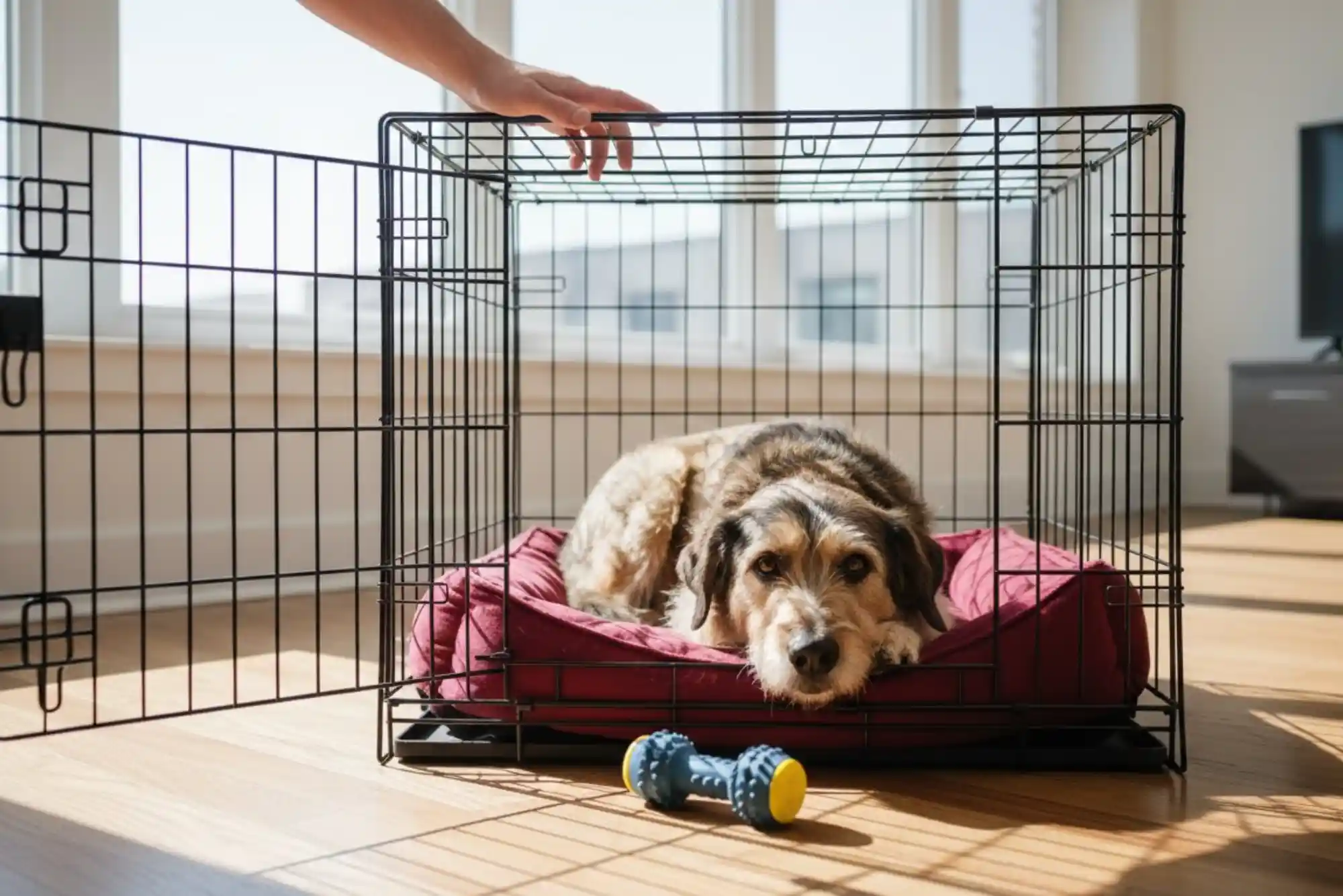
The first step is management. Puppies should not have unlimited access to the entire house when they are unsupervised.
Use puppy-proof areas where possible. Remove shoes, loose objects, cables, and other tempting items from the puppy’s reach.
Furniture should also become less accessible when practical. Gates, exercise pens, and appropriate confinement areas can reduce opportunities for destructive behavior.
At the same time, provide safe chewing alternatives. A puppy needs somewhere appropriate to direct its natural chewing instinct.
Rotate several suitable toys rather than leaving every toy available constantly. Rotation can make familiar toys seem more interesting again.
Cold, puppy-safe chew options may also provide comfort during teething. Always choose products designed for puppies and supervise their use.
Teaching a Puppy What to Chew
Training works best when it focuses on replacement behavior. Instead of constantly correcting unwanted chewing, teach the puppy what is acceptable.
When your puppy approaches furniture, calmly redirect attention toward an appropriate chew toy.
If the puppy chooses the toy, reward that behavior. A small treat, praise, or playful interaction can reinforce the correct choice.
Consistency matters because puppies learn through repetition. Everyone in the household should respond similarly.
Avoid turning redirection into an exciting game. Otherwise, the puppy may learn that grabbing furniture starts an entertaining interaction.
Keep your response calm and predictable. Over time, appropriate chewing becomes easier and more natural.
How to Reduce Puppy Biting During Play
Play biting is common, especially during early development. Puppies often need to learn that human hands and clothing are not appropriate targets.
If your puppy bites during play, stop the interaction briefly. Then redirect the puppy toward a toy.
This teaches an important lesson. Rough biting makes the game stop, while appropriate play allows the interaction to continue.
Avoid physical punishment. Hitting, grabbing, or frightening a puppy can create fear and may damage trust.
Instead, focus on predictable boundaries and positive reinforcement.
Short training sessions can also help. Puppies have limited attention spans, so several brief sessions can work better than one long session.
Exercise and Mental Stimulation Matter
A tired puppy is not automatically a well-behaved puppy. However, appropriate physical activity can reduce boredom-related chewing.
Age-appropriate walks, supervised play, and gentle exploration can provide useful stimulation.
Mental enrichment is equally important. Food puzzles, simple training games, scent activities, and interactive toys can keep a young dog occupied.
When puppies have appropriate outlets, they may spend less time searching for their own entertainment.
Nevertheless, avoid excessive exercise. Young puppies have developing bodies and need plenty of sleep and recovery time.
What Happens After the Teething Stage?
The end of teething does not automatically mean every chewing behavior disappears.
By around six months, many puppies have most or all of their adult teeth. However, adolescence is beginning for many dogs.
During this period, dogs continue learning household rules. Some may test boundaries or become more independent.
Therefore, training should continue after teething ends.
If furniture chewing returns, review the dog’s daily routine. Boredom, insufficient enrichment, changes in the household, and excessive freedom can all contribute.
Reducing access temporarily can help while reinforcing appropriate behavior.
Signs Your Puppy May Need Veterinary Attention
Most teething symptoms are manageable at home. However, certain dental problems require professional attention.
Persistent bleeding, significant swelling, severe pain, difficulty eating, or a strong unusual mouth odor should not simply be attributed to normal teething.
Retained baby teeth can also occur. This means a baby tooth remains while an adult tooth grows beside it.
Your veterinarian can examine your puppy’s mouth and determine whether treatment is necessary.
Regular veterinary examinations are particularly useful during the transition from baby teeth to adult teeth.
Puppy Teething Timeline: What Week Do Puppies Stop Biting and Chewing Furniture?
The typical timeline can be summarized naturally. Baby teeth usually begin appearing around three weeks. Most puppies have their baby teeth by eight weeks.
Adult teeth commonly begin emerging around three to four months. Teething usually becomes much less intense as puppies approach six months.
However, biting and furniture chewing may continue after this point. Training determines how quickly these behaviors fade.
Therefore, the most useful answer is that many puppies improve significantly between four and six months, while some need longer.
The important goal is not simply waiting for the behavior to disappear. Owners should actively teach appropriate alternatives throughout the teething period.
Frequently Asked Questions
At what age do puppies stop biting?
Many puppies become noticeably less mouthy between four and six months. However, individual development varies.
Training also affects the timeline. Puppies that consistently learn bite inhibition and appropriate play may improve sooner.
What week do puppies stop chewing everything?
There is no exact week when chewing suddenly stops. Teething-related chewing often decreases around six months.
However, puppies can continue chewing because they are curious, bored, or seeking stimulation. Consistent training and appropriate chew toys remain important.
Do puppies stop biting after teething?
Teething can increase chewing and mouth discomfort, but it is not the only cause of biting.
After teething, puppies may still bite during play or excitement. Continued training helps them learn better behavior.
How do I stop my puppy from chewing furniture?
Limit access to furniture when the puppy is unsupervised. Then provide appropriate chew toys and redirect unwanted chewing calmly.
Reward the puppy whenever it chooses an appropriate item. Consistency is more effective than repeated punishment.
Why is my six-month-old puppy still biting?
A six-month-old puppy may still be developing impulse control and learning social boundaries.
Some puppies also continue mouthy behavior during adolescence. Regular training, enrichment, appropriate play, and consistent household rules can help.
Is furniture chewing normal for puppies?
Yes. Chewing is a normal puppy behavior, particularly during teething.
However, normal does not mean every object should be available. Owners should manage the environment and teach acceptable chewing habits.
Conclusion
Understanding the Puppy Teething Timeline: What Week Do Puppies Stop Biting and Chewing Furniture? makes this challenging stage easier to manage.
Related Reading: Canada Job Visa: Work Permit Guide for Pakistanis