
Introduction
Feline diabetes is a common endocrine disorder affecting domestic cats worldwide. When a cat develops diabetes, their body either stops producing enough insulin or cannot properly use the hormone to process glucose. Without insulin, sugar accumulates in the bloodstream instead of entering cells to provide essential energy. Recognizing Feline Diabetes Symptoms, Insulin Care, and Low-Carb Wet Food Meal Plans early gives your pet the best fighting chance for recovery.
Many cat owners overlook early warning signs, attributing them to normal aging or minor behavioral adjustments. However, catching the disease in its initial stages makes remission much more attainable through modern veterinary medicine. With proper dedication, daily routines become second nature, and your feline friend can regain their natural vitality and playfulness.
Spotting the Red Flags: Recognizing Feline Diabetes Symptoms
Spotting symptoms early allows for immediate veterinary intervention and a much more favorable long-term prognosis. The most classic indicator of feline diabetes is excessive thirst, known clinically as polydipsia. You may notice your cat visiting the water bowl constantly or drinking from unconventional household sources throughout the day. This happens because high blood sugar draws water out of body tissues, triggering intense and unquenchable thirst.
Alongside excessive thirst, you will likely observe increased urination, or polyuria, across daily routines. Your cat’s litter box may become wet and heavy much faster than usual during routine cleanings. You might even experience accidental mishaps outside the box if your cat cannot reach it in time. These two signs together form the primary clinical picture of diabetic cats everywhere.
The Veterinary Diagnostic Process and Initial Treatment Steps
When you bring your cat to the clinic for suspected diabetes, your veterinarian will perform specific diagnostic tests. Blood glucose tests and serum fructosamine assays provide definitive answers regarding average blood sugar levels. Fructosamine tests measure average blood sugar over the past two weeks, ruling out any temporary stress-induced hyperglycemia. Urine analysis also checks for glucose and ketones in the urinary tract.
A formal diagnosis requires careful staging and evaluation of overall organ function and concurrent health issues. Blood panels check kidney parameters, liver enzymes, and thyroid hormones to ensure a comprehensive health overview. Because concurrent infections often trigger insulin resistance, thorough screening is crucial for success. Your vet will map out a customized treatment protocol based directly on these diagnostic findings.

Mastering Safe Insulin Care and Daily Administration
Insulin care is the cornerstone of managing feline diabetes for many patients undergoing treatment protocols. Veterinarians typically prescribe long-acting insulins designed specifically for cats, such as glargine or PZI formulations. These specialized products provide steady blood sugar control over twelve to twenty-four hour intervals. Consistency in timing and precise dosage is absolutely critical for achieving stable glycemic control.
Administering injections requires a calm environment and a gentle touch from loving pet owners. Most cats tolerate subcutaneous injections remarkably well, especially when paired with a tasty post-injection treat. Pinch a fold of skin on the scruff, insert the needle smoothly, and depress the plunger with confidence. Rewarding your cat immediately creates a positive association with the daily injection routine.
Transforming Health Through Low-Carb Wet Food Meal Plans
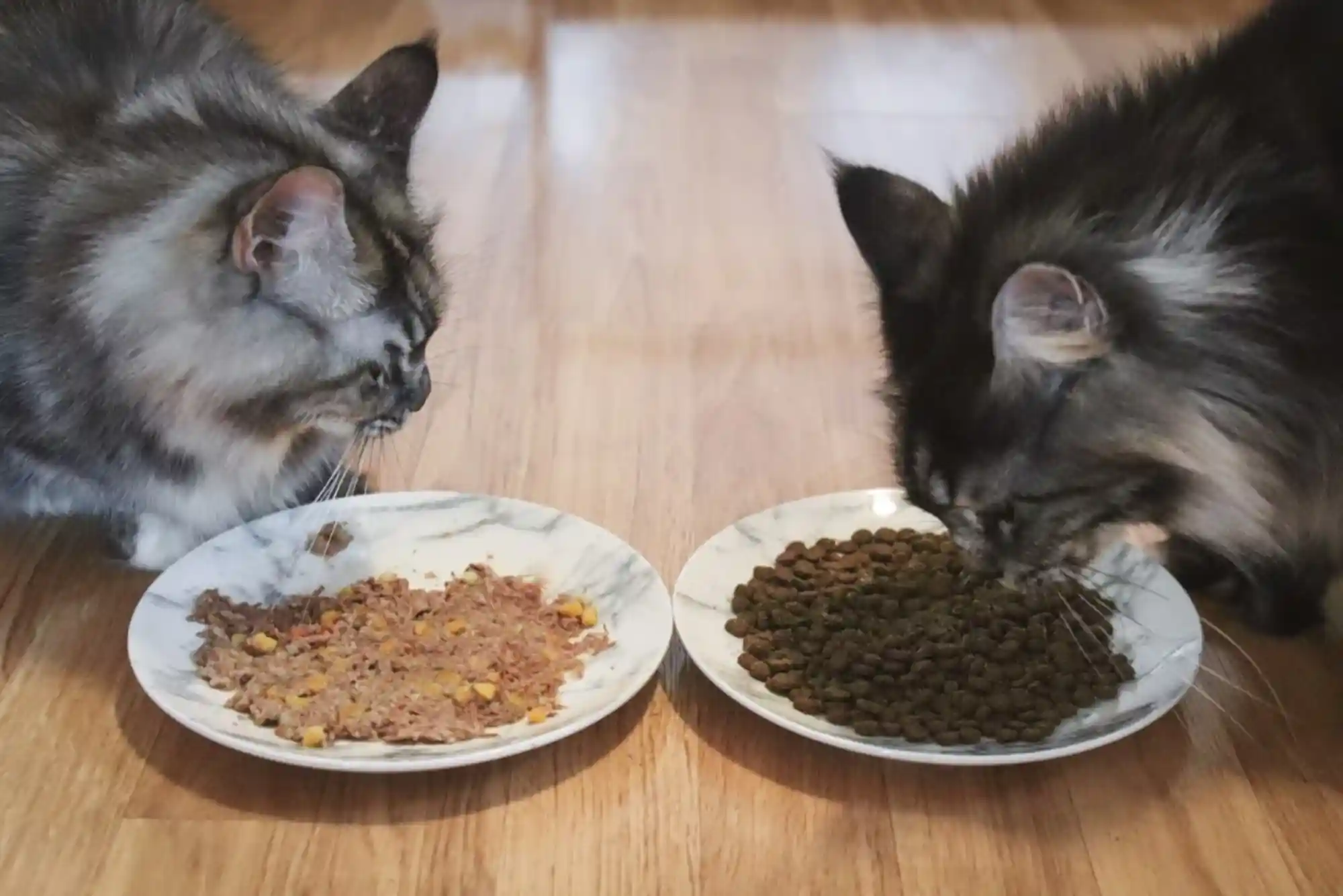
Dietary modification plays a transformative role in managing feline diabetes effectively without constant complications. Cats are obligate carnivores requiring high protein intake and minimal carbohydrates in their daily diet. Traditional dry kibble contains high starch levels that spike blood glucose levels rapidly after every meal. Transitioning to Low-Carb Wet Food Meal Plans mimics a natural carnivorous diet.
Low-carbohydrate canned diets help lower exogenous insulin requirements significantly over the course of treatment. Many cats achieve complete diabetic remission simply by eliminating dry food from their diets entirely. When blood sugar stabilizes through proper nutrition, insulin doses can be reduced safely under veterinary supervision. This dietary shift protects renal health and maintains strong lean muscle mass.
Maintaining Consistent Daily Routines and Monitoring Progress
Establishing a predictable daily schedule supports stable blood glucose regulation in diabetic cats at home. Feed your cat at the exact same times every day, ideally matching your insulin injection schedule. Most veterinary protocols recommend feeding two main meals spaced twelve hours apart for optimal digestion. Avoid free-feeding dry food throughout the day to prevent unexpected blood sugar spikes.
Monitoring your cat’s weight and body condition score provides valuable feedback on treatment effectiveness. Regular weigh-ins at home or at the veterinary clinic track metabolic progress over consecutive weeks. Look for improvements in coat quality, overall energy levels, and normal litter box habits. These positive markers indicate that your management strategy is working successfully.
Frequently Asked Questions
Can a cat recover from diabetes?
Yes, many cats can achieve diabetic remission with early diagnosis, strict low-carbohydrate diets, and prompt insulin therapy. When blood glucose levels normalize quickly, pancreatic beta cells can rest and recover natural function. Veterinary supervision ensures safe reduction and eventual withdrawal of insulin if remission occurs.
What is the best food for a diabetic cat?
The best food for a diabetic cat is a high-protein, ultra-low-carbohydrate wet or canned food. Dry kibble should be avoided because it contains excessive starches that elevate blood glucose levels. Canned meat diets mimic a natural feline diet and promote stable glycemic control.
How much does it cost to treat a diabetic cat?
Treatment costs vary depending on veterinary fees, insulin types, blood glucose monitoring supplies, and specialized food. Monthly expenses typically cover insulin vials, syringes, test strips, and canned food. Initial diagnostic workups involve higher upfront costs, but routine home care becomes quite manageable over time.
What happens if I miss an insulin dose?
If you miss an insulin dose, never double up on the next injection to make up for it. Doubling doses can cause severe and life-threatening hypoglycemia in your cat. Instead, wait until the next scheduled injection time and resume your normal routine, consulting your vet if unsure.
Conclusion
Navigating feline diabetes requires commitment, education, and compassionate daily care from devoted pet owners. By watching for Feline Diabetes Symptoms, Insulin Care, and Low-Carb Wet Food Meal Plans, you give your cat the best chance at a vibrant life. Every small action you take contributes directly to their health and longevity.
Do not let fear stop you from providing the care your faithful companion truly deserves. Partner with your veterinarian to design a customized management plan today. Schedule a checkup this week to discuss testing options and dietary transitions for your cat.