
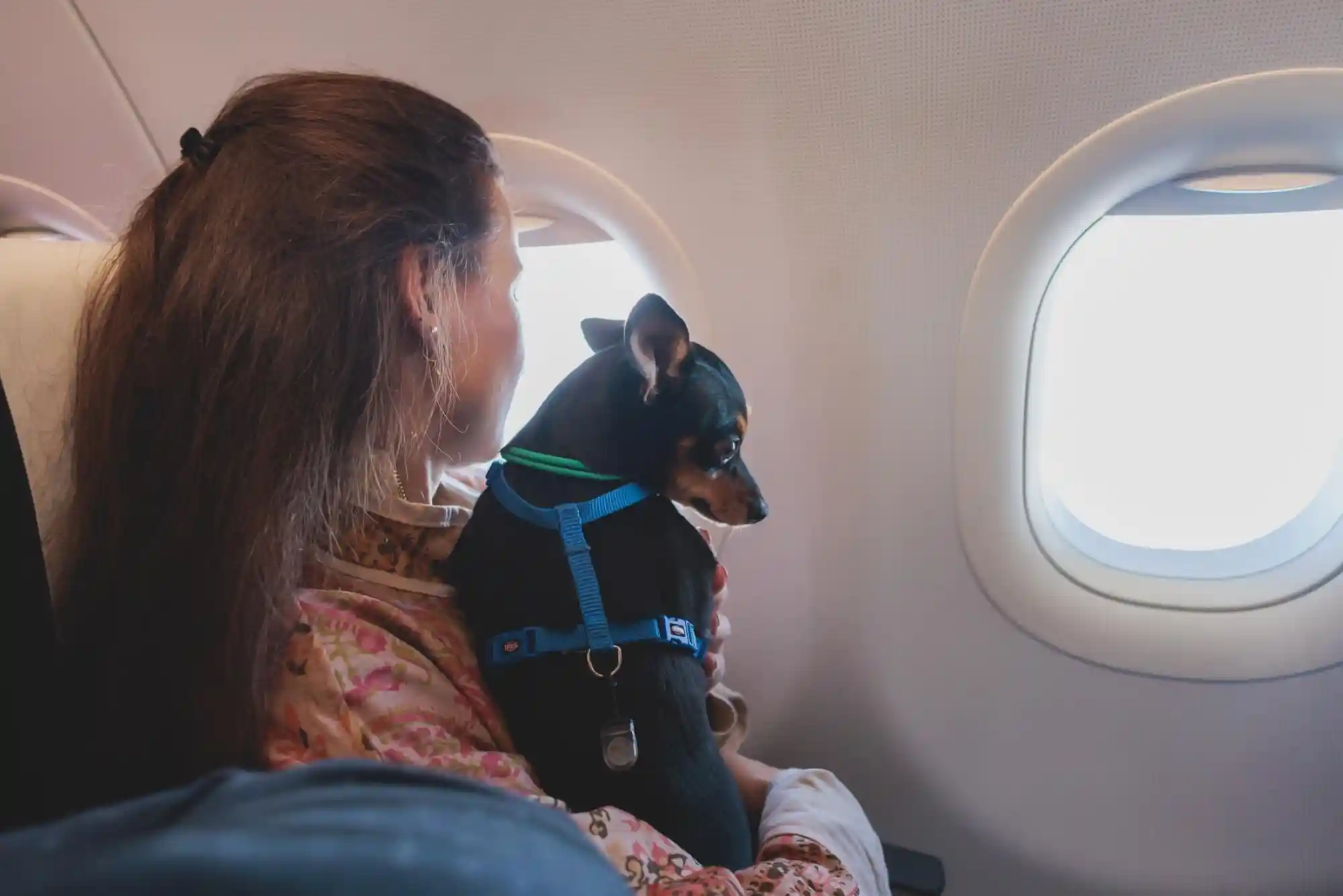
Introduction
International travel with a dog requires more planning than simply booking a flight and bringing your pet to the airport. Airline policies, destination requirements, health documents, carrier dimensions, and customs regulations can all affect your journey. Understanding How to Fly Internationally with a Dog: Cabin Dimensions, Pet Passports, and IATA Rules can help you prepare properly and reduce avoidable problems before departure.
Every country has its own requirements for bringing animals across its borders. Airlines can also have separate rules regarding cabin pets, approved carriers, weight limits, and available routes. Therefore, preparation should begin several weeks or even months before your planned departure.
How to Fly Internationally with a Dog Safely
The first step in learning How to Fly Internationally with a Dog: Cabin Dimensions, Pet Passports, and IATA Rules is understanding that three different sets of requirements may apply. Your destination country has entry regulations, your airline has transportation policies, and international aviation guidance provides recommendations for safe animal transport.
These requirements are not always identical. A dog may be legally permitted to enter a country but still be unable to travel in the aircraft cabin. Similarly, an airline may accept dogs while restricting certain breeds, aircraft types, destinations, or travel seasons.
Before purchasing a ticket, check the official requirements of your destination country. Then contact the airline directly and confirm that your specific dog, route, and carrier meet its current conditions.
Can Dogs Fly Internationally in the Cabin?
Many airlines allow small dogs to travel inside the passenger cabin. However, cabin travel is usually limited to pets that can remain inside an approved carrier throughout the flight.

The carrier generally needs to fit underneath the seat in front of you. This means cabin dimensions are determined by the aircraft and airline rather than one universal international standard. A carrier accepted by one airline may be too large for another.
When researching How to Fly Internationally with a Dog: Cabin Dimensions, Pet Passports, and IATA Rules, always check the exact dimensions published by your airline. Do not rely only on a carrier manufacturer’s statement that its product is airline approved.
Your dog normally needs enough room to remain comfortably inside the carrier. The carrier should also provide adequate ventilation and secure construction. However, it must still fit within the airline’s permitted under-seat space.
Airlines can impose weight restrictions as well. Some consider the combined weight of the dog and carrier, while others use different requirements. Because these policies vary, contacting the airline before booking is essential.
Understanding Pet Carrier Requirements
A suitable travel carrier is one of the most important parts of international dog travel. For cabin journeys, soft-sided carriers are often used because they can provide some flexibility when placed beneath an aircraft seat.
The carrier should be secure, well ventilated, and appropriately sized for your dog. Your pet should be able to remain inside it during the flight. It should also prevent accidental escape while allowing sufficient airflow.
For dogs traveling in the aircraft hold, different requirements may apply. IATA’s Live Animals Regulations provide guidance for the safe transportation of animals, including recommendations concerning suitable containers, ventilation, handling, and animal welfare.
It is important to understand that IATA guidance is not itself a replacement for airline or government regulations. Airlines establish their own transportation policies, while governments establish entry and import requirements.
What Is a Pet Passport?
A pet passport is a document or collection of official records used to demonstrate that an animal meets certain travel and health requirements. The exact format and requirements depend on the countries involved.
Some regions have formal pet passport systems. Other destinations may require an official veterinary health certificate instead. Therefore, travelers should never assume that having a document called a “pet passport” automatically satisfies every country’s entry rules.
Your dog’s records may need to demonstrate identification, vaccination status, and other required treatments. Microchip information is particularly important for international travel because some countries require identification before certain vaccinations are considered valid for entry.
The timing of vaccinations can also matter. For example, a destination may require a valid rabies vaccination and impose a waiting period before the animal can enter.
Why Microchipping Matters for International Dog Travel
Microchipping is often an important part of international pet travel. A compatible microchip provides a permanent identification method that can connect your dog with its veterinary and travel records.
In destinations with specific identification rules, the microchip may need to be implanted before a particular vaccination. If the required sequence is not followed, the vaccination documentation may not satisfy the destination’s entry conditions.
For this reason, discuss your travel plans with a veterinarian who understands international pet movement. Ideally, do this before booking your final itinerary.
Rabies Vaccination and International Travel
Rabies vaccination is one of the most common requirements for international dog travel. However, the exact rules vary between countries.
Some destinations require a valid rabies vaccination before arrival. Others may require additional testing, waiting periods, or government-endorsed certificates. Certain countries also apply stricter requirements depending on the country from which the dog is arriving.
This makes timing extremely important. A last-minute veterinary visit may not provide enough time to complete every required step.
When learning How to Fly Internationally with a Dog: Cabin Dimensions, Pet Passports, and IATA Rules, remember that health preparation can be just as important as airline preparation.
International Health Certificates for Dogs
An international health certificate may be required before your dog enters another country. This document generally confirms that a veterinarian examined the animal and that it meets applicable health requirements.
The certificate may need to be issued within a specific period before travel. In some cases, it also needs endorsement by an official government veterinary authority.
Requirements can change according to the destination, departure country, transit locations, and purpose of travel. Therefore, use official government information for your specific route instead of relying on general travel blogs.
Your veterinarian can help interpret the medical requirements, but the final entry rules come from the destination’s competent authorities.
How IATA Rules Affect Dog Air Travel
IATA provides internationally recognized guidance for transporting live animals by air. Its Live Animals Regulations are widely used by airlines and professionals involved in animal transportation.
The guidance addresses areas such as suitable containers, ventilation, handling, feeding, documentation, and animal welfare. These recommendations help create consistent practices for transporting animals safely.
However, travelers should understand that IATA does not determine every airline’s pet policy. Your airline can have additional requirements that are stricter than general IATA guidance.
Therefore, How to Fly Internationally with a Dog: Cabin Dimensions, Pet Passports, and IATA Rules involves checking several sources rather than relying on one set of rules.
Can All Dog Breeds Travel by Air?
Not necessarily. Some airlines impose restrictions on certain breeds, particularly brachycephalic dogs. These include breeds with shortened facial structures that may have increased difficulty breathing under stressful conditions.
Restrictions can apply to cabin travel, checked transportation, or cargo transportation. Some airlines may also have seasonal restrictions because extreme temperatures can create additional risks.
Because policies differ considerably, check your airline’s current breed policy before purchasing a ticket. If your dog has a medical condition or has previously experienced breathing difficulties, speak with your veterinarian before considering air travel.
Preparing Your Dog Before the Flight
Successful international travel involves more than paperwork. Your dog also needs time to become comfortable with its travel carrier.
Introduce the carrier well before your departure date. Allow your dog to explore it voluntarily and gradually spend longer periods inside. Familiar bedding can also help make the carrier feel less unfamiliar.
Avoid making the carrier something your dog sees only on travel day. A sudden introduction can increase anxiety and make the airport experience more difficult.
Your veterinarian can also advise you about feeding, hydration, exercise, and general travel preparation. Sedation should never be used casually for air travel. Only a veterinarian should determine whether medication is appropriate.
What Happens at the Airport?
Arrive early enough to complete the airline’s pet check-in process. Depending on your itinerary, you may need additional document checks or procedures.
Keep your dog’s travel documents easily accessible. Airport staff may need to verify the carrier, vaccination information, health certificate, or other paperwork.
Security procedures can also differ when traveling with an animal. Follow the instructions provided by airport security personnel and airline staff.
If your dog is traveling in the cabin, expect the carrier to remain closed and secured according to airline instructions. Your dog may not be permitted to leave the carrier during the flight.
What Happens When You Arrive?
Arrival procedures depend on the destination country. Some destinations require inspection by customs, agriculture, veterinary, or animal health authorities.
Your dog may need its identification and health documentation checked before being released from the airport’s animal import process.
If quarantine applies to your destination, you must understand those arrangements before departure. Quarantine rules can significantly affect travel plans, especially when documents or vaccinations do not meet the destination’s requirements.
Therefore, always investigate entry procedures before buying a non-refundable ticket.
How Early Should You Prepare for International Dog Travel?
International dog travel should ideally be planned well in advance. Some destinations require multiple veterinary steps that cannot be completed immediately before departure.
Start by identifying the destination’s official animal import requirements. Then check your airline’s pet policy and determine whether your dog can travel in the cabin or through another approved method.
After that, arrange the necessary veterinary appointments and documentation. Keep copies of important records and verify that your dog’s identification information matches the paperwork.
Starting early gives you time to correct problems if a document, vaccination, or carrier does not meet the requirements.
Frequently Asked Questions
Can I take my dog on an international flight?
Yes, dogs can travel internationally on many airlines, but acceptance depends on the airline, route, destination, aircraft, and applicable animal import regulations. Some airlines allow small dogs in the cabin, while other arrangements may be required for larger dogs.
What size carrier is allowed for a dog on an international flight?
There is no single carrier dimension that applies to every international flight. Airlines establish their own cabin carrier measurements based on aircraft configuration and under-seat space. Always confirm the dimensions directly with your airline before purchasing a carrier.
Does my dog need a passport to fly internationally?
A dog may need a pet passport, health certificate, vaccination records, microchip information, or other documents depending on the destination. The term “pet passport” does not have the same legal meaning in every country.
What are the IATA rules for traveling with a dog?
IATA’s Live Animals Regulations provide guidance for transporting animals safely by air. They cover areas such as containers, ventilation, handling, documentation, and animal welfare. Individual airlines can impose additional requirements.
How stressful is flying for dogs?
Air travel can be stressful for some dogs because of unfamiliar environments, noise, handling, confinement, and changes in routine. Preparing your dog gradually for its carrier and discussing travel plans with a veterinarian can help reduce potential problems.
Conclusion
Learning How to Fly Internationally with a Dog: Cabin Dimensions, Pet Passports, and IATA Rules requires careful attention to airline policies, government requirements, veterinary preparation, and safe transportation practices. There is no single international rule that covers every dog, airline, and destination.